
5 Signs Your Asset Management Strategy is Outdated
Most organizations don’t realize their asset management strategy is outdated—until something breaks.
A missed inspection.
An unexpected downtime.
An audit that takes too long to prepare for.
These aren’t isolated incidents. They’re signals.
In today’s operational environment, relying on outdated systems is no longer just inefficient—it’s risky. As operations scale and compliance requirements tighten across the USA, the gap between traditional processes and modern expectations continues to widen.
This blog breaks down five clear signs your asset management strategy is outdated, why it matters, and how modern field service management software can help you regain control.
The Shift in Asset Management
Asset management has evolved.
What once worked with spreadsheets, manual logs, and siloed systems no longer supports the complexity of modern operations. Facilities and operations leaders now manage:
- Distributed assets across locations
- Regulatory compliance requirements
- Real-time performance expectations
- Mobile field teams
Yet many organizations still rely on fragmented tools.
This mismatch creates operational blind spots.
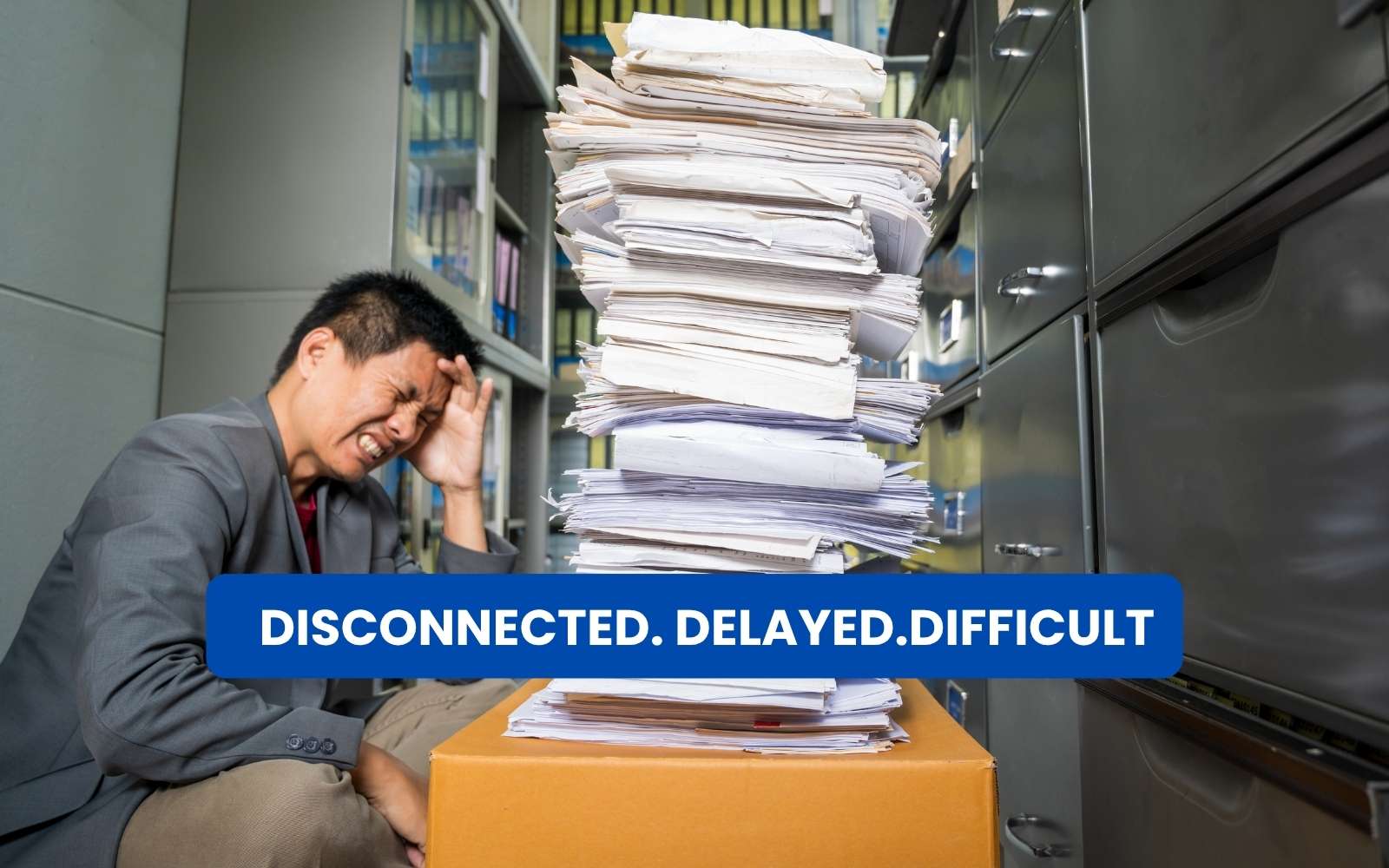
The Core Problem
The issue isn’t that organizations lack data.
It’s that the data is:
- Disconnected
- Delayed
- Difficult to act on
Without a connected system, asset management becomes reactive instead of proactive.
5 Signs of Outdated Asset Management Strategy
1. You Rely on Spreadsheets for Critical Operations
The Reality: Spreadsheets are still widely used for tracking assets, inspections, and maintenance schedules. But they weren’t built for real-time operations.
What Goes Wrong:
- Data becomes outdated quickly
- Multiple versions create confusion
- No real-time collaboration
- High risk of human error
Why It Matters: When asset data isn’t accurate or current, decisions are delayed or incorrect.
Modern Approach: 👉 Implement an automated asset tracking system that updates in real time and centralizes all asset data.
2. Maintenance is Reactive, Not Predictive
The Reality: If your team responds to breakdowns instead of preventing them, your strategy is outdated.
What Goes Wrong:
- Increased downtime
- Higher repair costs
- Reduced asset lifespan
Real-World Example: A manufacturing unit waits for equipment failure before taking action, causing production delays and revenue loss.
Why It Matters: Reactive maintenance increases operational risk.
Modern Approach: 👉 Use predictive maintenance software for manufacturing to anticipate failures and schedule maintenance proactively.
3. Field Teams Lack Mobile Access
The Reality: Field teams often rely on manual data entry or delayed reporting.
What Goes Wrong:
- Inspection data is captured late
- Information is incomplete or inaccurate
- Communication gaps slow down response time
Why It Matters: Delayed field data leads to delayed decisions.
Modern Approach: 👉 Equip teams with a mobile field inspection app to capture data, photos, and updates instantly from the field.
4. Work Orders Are Disconnected from Inspections
The Reality: Inspections identify issues—but what happens next is often unclear.
What Goes Wrong:
- Issues are not tracked to closure
- Work orders lack context
- Accountability is unclear
Why It Matters: Disconnected workflows lead to unresolved issues and compliance risks.
Modern Approach: 👉 Adopt field service management software that connects inspections, assets, and work orders into one workflow.
5. Audit Preparation is Time-Consuming
The Reality: If audits require manual data gathering, your system is outdated.
What Goes Wrong:
- Teams scramble to collect records
- Data is incomplete or inconsistent
- Increased stress during compliance checks
Why It Matters: In regulated industries across the USA, delayed or incomplete audits can lead to penalties.
Modern Approach: 👉 Use facility maintenance software that maintains audit-ready records automatically.
Key Challenges Organizations Face
- Lack of centralized visibility
- Manual processes slowing operations
- Poor data accuracy
- Compliance risks
- Limited scalability

Why This Matters More Than Ever
Outdated asset management doesn’t just affect efficiency—it impacts:
- Operational performance
- Regulatory compliance
- Cost control
- Decision-making speed
In competitive industries, these gaps compound quickly.
What Modern Systems Do Differently
Modern field service management software transforms how organizations manage assets by:
- Centralizing all data into one system
- Enabling real-time visibility
- Automating workflows
- Supporting mobile-first operations
- Providing predictive insights
How Zamorins Fits In
Zamorins provides scalable, customizable solutions designed for real-world operations.
Instead of forcing teams to adapt to software, Zamorins builds systems that align with how field teams actually work.
This includes:
- Mobile-friendly platforms
- Integrated asset and work order management
- Real-time reporting and visibility
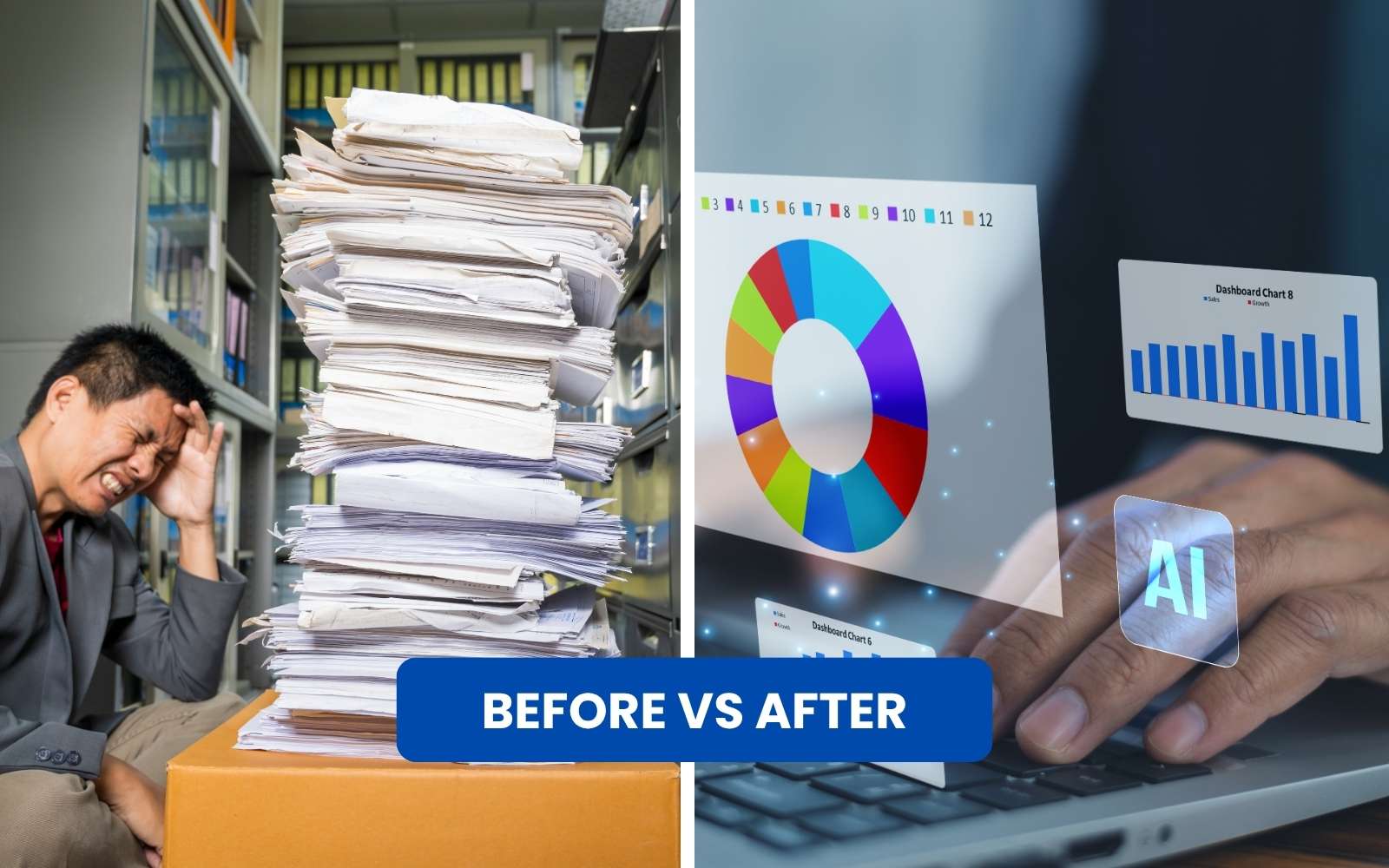
What Changes
Before
- Scattered data across systems
- Delayed reporting
- Reactive maintenance
- Manual audit preparation
After
- Centralized, real-time data
- Faster decision-making
- Predictive maintenance workflows
- Audit-ready compliance systems
Strategic Insight
The future of asset management is not about collecting more data.
It’s about making data actionable.
Organizations that invest in the best field service management software USA gain a competitive advantage through:
- Faster operations
- Better compliance
- Improved asset performance
Outdated asset management strategies don’t fail overnight.
They fail gradually—through missed signals, delayed actions, and disconnected systems.
The question is not whether your system works.
It’s whether it works well enough for today’s operational demands.
If any of these five signs sound familiar, it may be time to rethink your approach.
If your asset management strategy is showing these signs, now is the time to act.
Explore how the right field service management software can bring visibility, control, and efficiency back to your operations.
👉 Visit www.zamorinstech.com to learn more.
FAQs
1. What is field service management software?
Field service management software helps organizations manage field operations, including inspections, maintenance, and work orders, in a centralized system.
2. How does predictive maintenance improve asset management?
It uses data to predict failures before they happen, reducing downtime and maintenance costs.
3. Why is mobile access important for field teams?
Mobile access allows real-time data capture, improving accuracy and speeding up decision-making.
4. What industries benefit from asset management software?
Manufacturing, utilities, public infrastructure, and facilities management benefit the most.
5. How do I choose the best field service management software in the USA?
Look for scalability, mobile capabilities, integration features, and real-time reporting functionality.